
The Art of Choosing the Right Fabric for Every Season
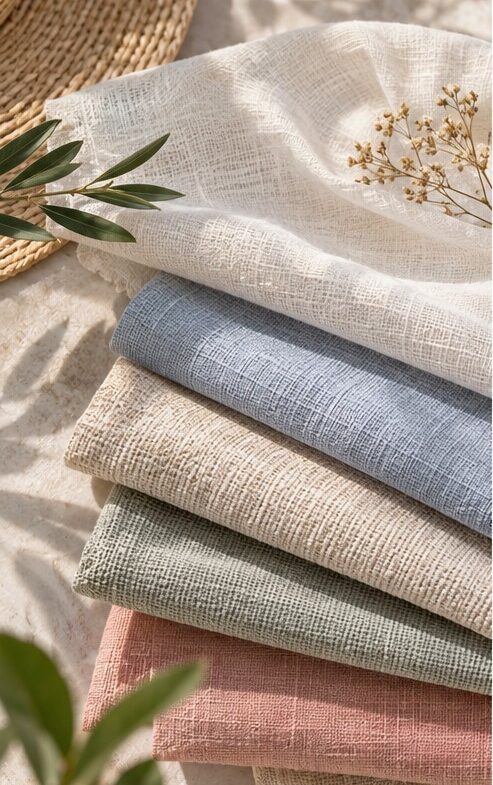
Fabric is more than the surface of a garment. It influences how a garment feels, moves, breathes and performs throughout the day. The right fabric can transform a simple silhouette into something comfortable, refined and considered.
As seasons change, so do our expectations from textiles. Warm weather calls for breathability and lightness, while cooler seasons invite texture, structure and warmth. Understanding these differences makes choosing the right fabric an essential part of thoughtful textile design.
Why Fabric Matters
Every fabric has its own character.
The fibre, weave, weight, finish and construction all contribute to the final experience of a textile. Two fabrics may look similar but feel completely different when worn or handled.
For designers, manufacturers and brands, fabric selection is therefore both a creative and functional decision. The right choice can determine the drape of a garment, its comfort against the skin and how it responds to everyday use.
Lightweight Fabrics for Warmer Days
During warmer months, fabrics that allow air to circulate are particularly valuable.
Lightweight cottons are widely appreciated for their natural softness and breathability. They can be woven into different structures to create fabrics ranging from crisp and structured to soft and relaxed.
Cambric, poplin and other lightweight cotton constructions can be especially suitable for shirts, dresses, summer separates and everyday garments where comfort and versatility are important.
The Natural Appeal of Linen
Linen is another fabric closely associated with warm-weather dressing.
Made from flax fibres, linen is naturally breathable and has a distinctive texture that gives garments an effortless character. Its slightly irregular surface and natural drape contribute to a relaxed, sophisticated appearance.
Linen can be used on its own or combined with other fibres to balance texture, comfort and performance.
Rayon, Modal and Lyocell
For garments where softness and fluid movement are priorities, regenerated cellulosic fibres such as rayon, modal and lyocell offer interesting possibilities.
These fabrics are often valued for their smooth hand feel and flowing drape. They can work particularly well in garments designed to move naturally with the body.
Their versatility makes them suitable for everything from relaxed silhouettes to more refined fashion pieces.
Cotton-Linen: Combining Two Natural Characteristics
Cotton-linen fabrics bring together characteristics associated with both fibres.
Cotton contributes softness and familiarity, while linen introduces texture, breathability and a distinctive natural appearance.
The resulting fabric can offer a balanced option for collections that seek a relaxed yet polished aesthetic.
Choosing Fabric for the Garment
Fabric selection should always begin with the purpose of the final garment.
A crisp shirt may benefit from a structured cotton. A relaxed summer dress may call for a lightweight, breathable construction. A flowing silhouette may require a fabric with greater drape and softness.
Consider:
- Climate and season
- Intended garment
- Desired drape
- Texture and appearance
- Weight and construction
- Comfort
- Care requirements
- End-use performance
The SKPL Perspective
At SKPL, textiles are considered through both material and purpose.
From cottons and rayons to textured constructions and blended fabrics, each textile has its own identity. Understanding that identity allows designers and brands to make more intentional choices.
Because the right fabric does more than complete a garment.
It becomes part of how the garment is experienced.